
The Wrong one
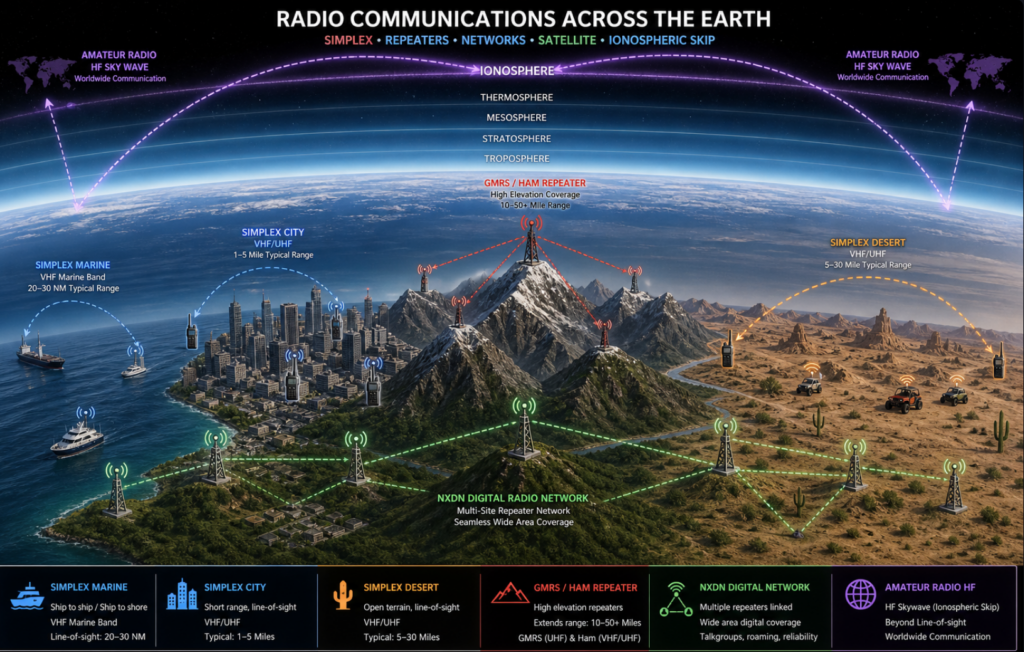
There are many factors to consider when choosing a radio, and the right option will depend on how and where it will be used. You need to think about the area you need to cover, whether communication is required across a single building, a large outdoor site, multiple locations, or a wide regional network. The type of licensing is also important, as some radios require specific frequencies and regulatory approval, while others operate on license-free channels. You should also consider the support infrastructure needed, such as repeaters, antennas, base stations, chargers, and maintenance services. Power requirements, battery life, durability, and signal strength all play a role, especially in demanding environments. Finally, the expected usage matters, including how often the radio will be used, how many people need access, and whether features such as emergency alerts, GPS, encryption, or hands-free operation are required.
If your money is spent on equipment that does not do the job properly, that money is not simply spent—it is wasted. Poor-quality or unsuitable equipment can slow down work, create frustration, and force you to spend even more money on repairs, replacements, or last-minute alternatives. Worse still, it can fail you at the very moment you need it most, turning a manageable situation into a serious problem. When equipment breaks down under pressure, it can waste valuable time, delay important tasks, reduce productivity, and increase overall costs. In some cases, unreliable equipment can also put workers, customers, or bystanders in danger. Choosing the right equipment from the start helps ensure safety, efficiency, and confidence when it matters most.